
Speech Therapy Program and Internship Orientation at Phoenicia University
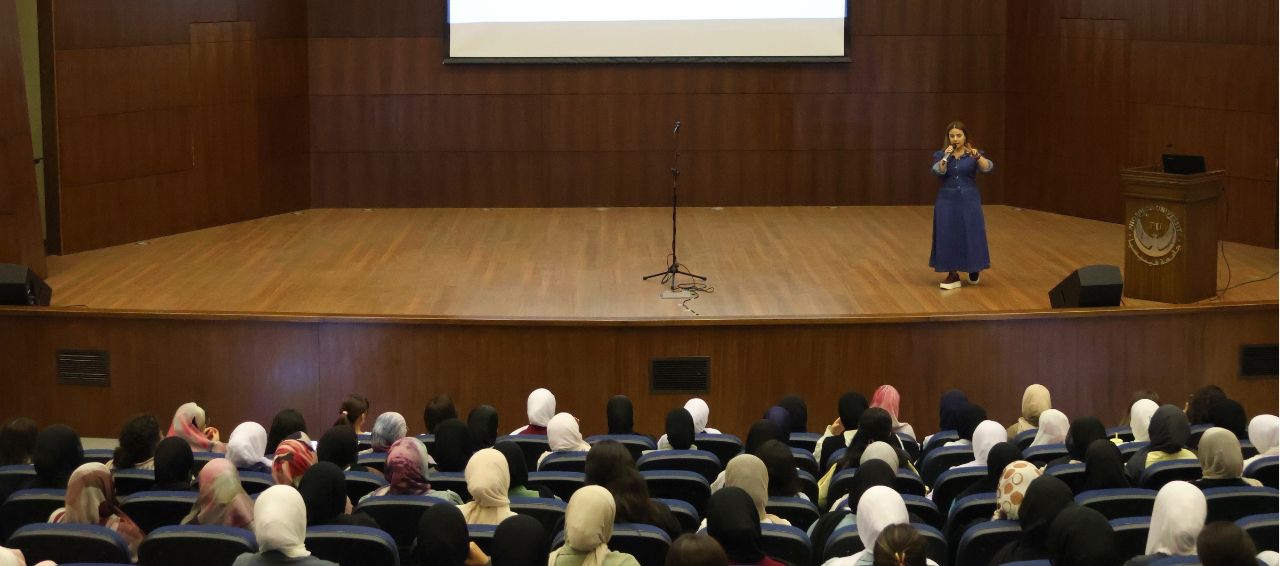
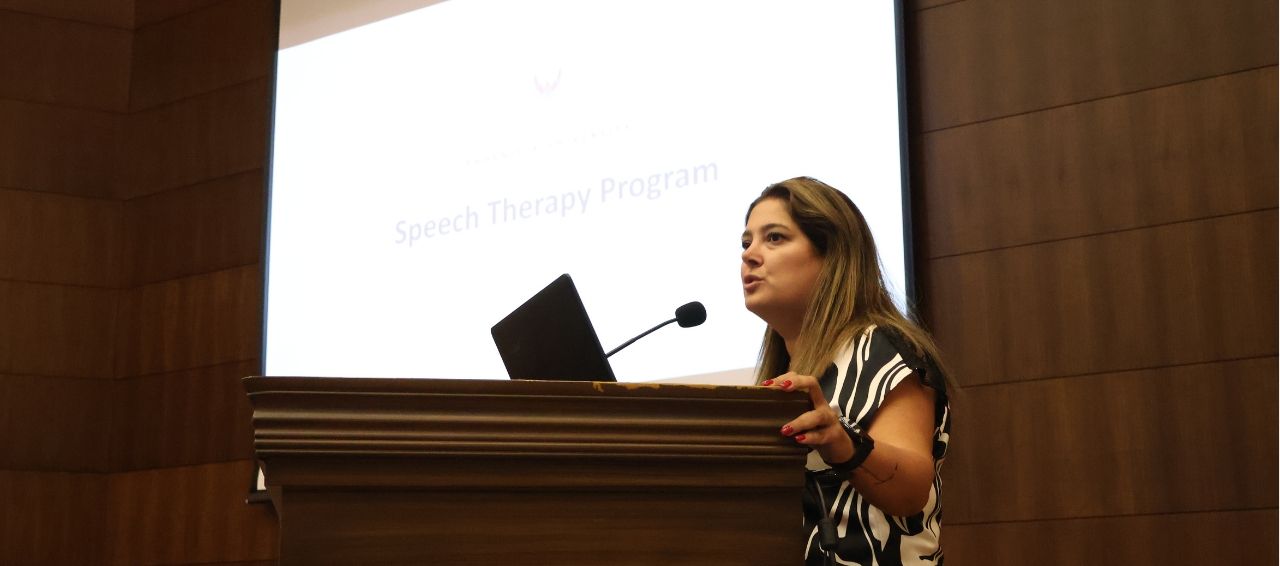
The Department of Speech Therapy at Phoenicia University organized a Speech Therapy Program and Internship Orientation Session led by Dr. Sandra Bejjani, Speech Therapy Program Coordinator, and Ms. Joelle Akoury, Speech Therapy Internship Program Coordinator. The session aimed to familiarize students with the program’s academic structure, clinical training framework, educational objectives, and professional expectations.
Dr. Bejjani opened the session by introducing the College of Public Health, highlighting its mission, vision, and organizational structure before presenting the four-year Speech Therapy curriculum. She outlined the program’s core academic components, including communication sciences, speech and language disorders, assessment and intervention, research, and professional ethics. Particular emphasis was placed on the progressive integration of theoretical knowledge, clinical reasoning, and evidence-based practice.
The orientation also introduced key academic milestones and opportunities for professional development, including the Diploma Thesis, the annual Health Research Day, and the Objective Structured Clinical Examination (OSCE). These components were presented as opportunities to strengthen students’ research capabilities, clinical competencies, and critical thinking skills. Students were also introduced to the Speech Therapy Society and its role in fostering student engagement and community awareness.
Building on the academic overview, Ms. Akoury presented the Speech Therapy Internship Program, emphasizing the essential role of practical clinical training in preparing competent, ethical, and independent speech-language therapists. She explained the progressive structure of the internship program, which begins in the first academic year and continues through graduation, allowing students to gradually transition from observation to supervised clinical assessment and intervention.
Students were introduced to the diverse clinical training environments available throughout their studies, including schools, rehabilitation centers, specialized institutions, and speech therapy clinics. Ms. Akoury highlighted the importance of exposure to different patient populations, communication disorders, and professional settings in developing adaptability and practical competencies.
The session further addressed how academic seminar courses complement internship placements through case discussions, reflective learning, and evidence-based approaches, supporting the development of clinical decision-making skills.
Ms. Akoury also outlined the clinical supervision framework, explaining the complementary roles of on-site supervisors, university supervisors, seminar instructors, and the Career Center in supporting students throughout their training. Particular attention was given to competency-based evaluations, internship portfolios, clinical documentation, institutional policies, professional ethics, accountability, and effective communication.
Students were also introduced to the Phoenicia University Speech Therapy Center at the Lebanese Welfare Association for the Handicapped (LWAH), an important clinical training environment where senior students have the opportunity to further develop their assessment, intervention, and patient management skills under professional supervision.
The orientation concluded by reinforcing the importance of academic commitment, professionalism, continuous learning, and reflective practice, while providing students with a clearer understanding of the expectations at each stage of the program.
By integrating academic education with clinical experience, Phoenicia University aims to prepare speech-language therapists capable of meeting the evolving needs of individuals and communities.